
Comprehensive Guide to a Plant-Based Lifestyle in South Africa
By Zama Zincume — Public Health Specialist & Plant-Based Food Writer. Originally published: 9 November 2023 | Fully updated in 2026
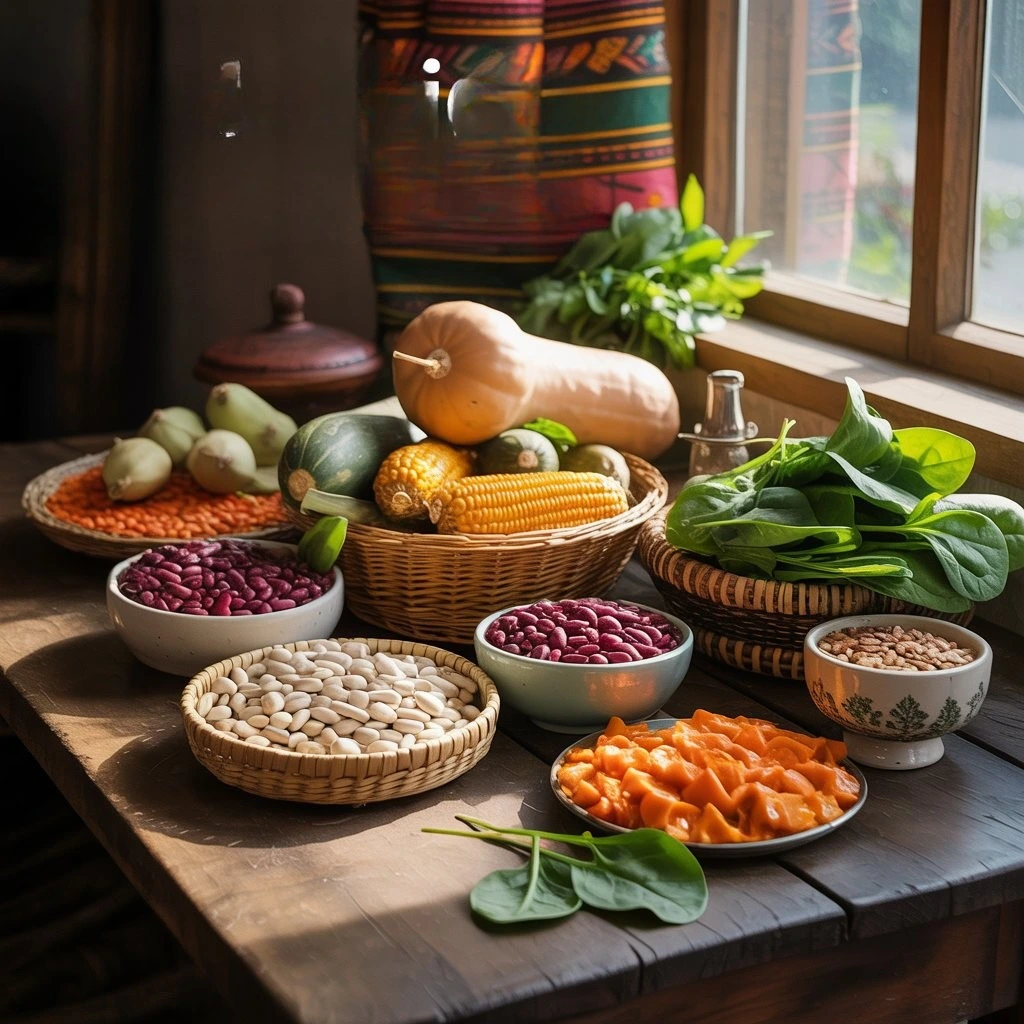
Quick Answer: A plant-based lifestyle in South Africa means building meals around whole plant foods — vegetables, legumes, whole grains, fruits, nuts, and seeds — while minimizing or eliminating animal products. It’s both affordable and culturally familiar when centred on indigenous Southern African staples such as morogo (wild leafy greens), amadumbe, samp, sorghum, cowpeas, and umngqusho, which are nutrient-dense whole foods rather than budget substitutes. When done well, this approach supports healthy weight, blood sugar, heart health, and digestion and can be followed using ingredients available at local spaza shops and supermarkets across the country. The most sustainable way to start is the Staple-First Method: anchor each plate with one affordable indigenous staple, then layer in seasonal vegetables and a legume for protein.
A plant-based lifestyle is no longer a fringe idea in South Africa.
It’s a practical and affordable way to eat and live. Many people choose it for better health, lower food costs, and a more sustainable future.
As chronic diseases rise, food prices go up, and environmental issues grow, more South Africans are asking a crucial question:
Can eating more plants help me live better—right here in South Africa?
The evidence says yes.
This guide explains what a plant-based lifestyle is.
It looks at how it works in South Africa, what science says about its health benefits, and how to adopt it in real life.
You can follow this lifestyle whether you live in a city, township, or rural area.
What Is a Plant-Based Lifestyle? (Clear, Evidence-Based Definition)
A plant-based lifestyle focuses mainly on eating or entirely foods that come from plants, including:
- Vegetables and leafy greens
- Fruits
- Whole grains
- Legumes (beans, lentils, peas)
- Nuts and seeds
In evidence-based nutrition, a plant-based diet focuses on whole, minimally processed foods. It limits or avoids animal products and ultra-processed foods.
Importantly, plant-based does not mean perfection.
Many people choose a plant-forward diet. They eat mostly plant foods and slowly cut back on animal products.
Scientific consensus: Major nutrition organizations agree that well-planned plant-based diets are nutritionally adequate and support long-term health across diverse populations.
Plant-Based vs Vegan: Understanding the Difference
In South Africa, people often mix up “plant-based” and “vegan,” but they mean different things.
Plant-based refers primarily to how you eat, with a focus on health and nutrition. Vegan is a lifestyle choice. It avoids animal products in food, clothing, cosmetics, and more.
You can enjoy a plant-based diet without calling yourself vegan. Many South Africans do just that.
Why Plant-Based Living Is Growing in South Africa
1. Rising Chronic Disease Burden
South Africa faces increasing rates of:
- Type 2 diabetes
- Hypertension
- Heart disease
- Obesity
These conditions are closely tied to diets low in fibre. They often include high amounts of refined foods and saturated fat.
Plant-based diets are naturally:
- High in fibre.
- Rich in antioxidants and phytonutrients.
- Lower in saturated fat.
A plant-based diet can help control blood sugar. It also improves cholesterol levels and gut health. Plus, it lowers inflammation markers.
This pattern is evident in the evidence.
2. Cost of Living and Food Affordability
Food prices continue to rise, placing pressure on households across income levels.
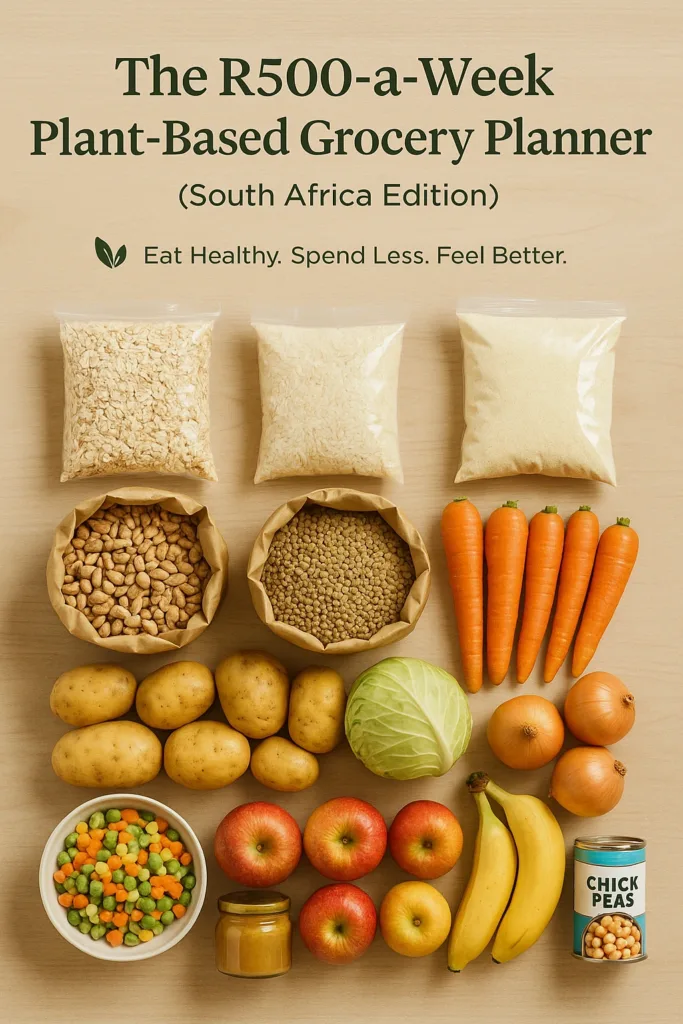
Contrary to popular belief, plant-based eating can be one of the most affordable ways to eat in South Africa.
Staples such as:
- Dry beans
- Lentils
- Maize meal
- Oats
- Cabbage
- Potatoes
Remain among the lowest-cost, highest-nutrition foods available.
Many people can eat plant-based food for R500–R700 a week with simple planning. Sometimes, it costs even less.
3. Cultural Roots in Traditional South African Diets
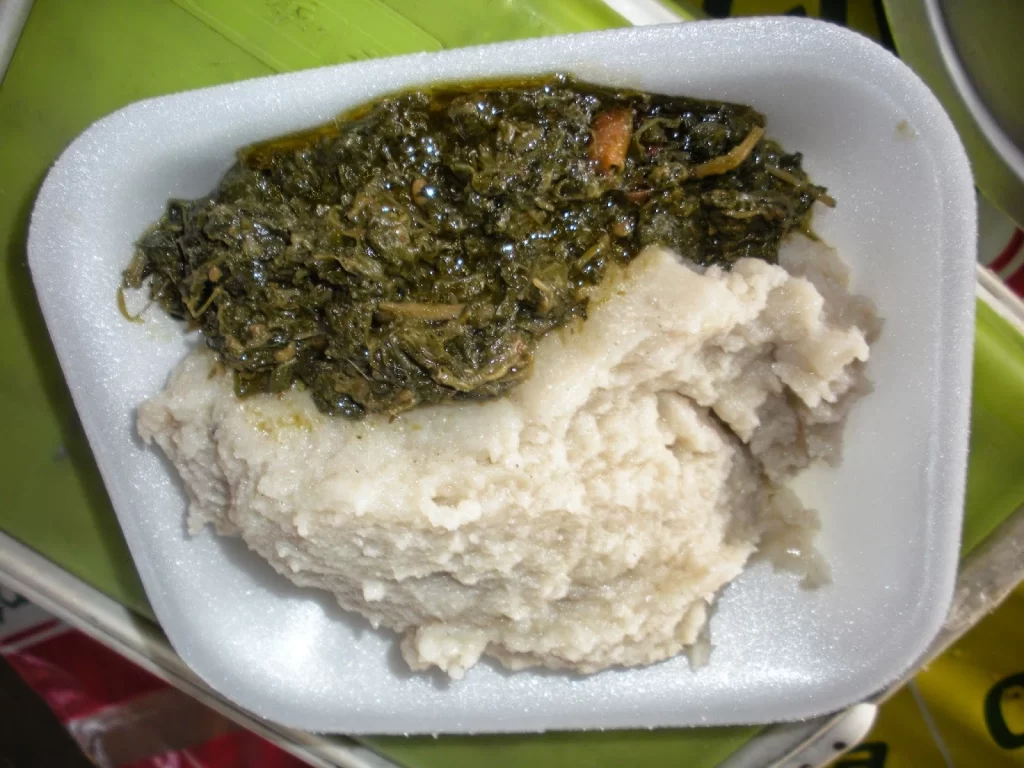
Plant-based eating is not new to South Africa. Many traditional diets were plant-centred, mainly due to availability and cost.
Common examples include:
- Samp and beans.
- Pap with morogo or spinach.
- Pumpkin, butternut, amadumbe.
- Sorghum and millet.
Modern plant-based eating often embraces traditional food wisdom instead of rejecting culture.
Core Foods in a South African Plant-Based Diet
Affordable Everyday Staples
These foods form the backbone of plant-based eating across South Africa:
- Sugar beans, red kidney beans, split peas.
- Lentils (brown, green, red).
- Maize meal (preferably fortified).
- Oats and brown rice.
- Potatoes and sweet potatoes.
- Onions, carrots, cabbage.
They are filling, versatile, and nutrient-dense.
Nutrient-Dense Additions
To enhance variety and micronutrient intake, include:
- Spinach, morogo, kale.
- Tomatoes, peppers, and pumpkin.
- Groundnuts and peanut butter.
- Sunflower, pumpkin, and sesame seeds.
- Seasonal fruits such as oranges, apples, bananas, and guavas.
These foods support immune health, digestion, and overall vitality.
Is a Plant-Based Diet Nutritionally Adequate?
Yes—when appropriately planned.
Protein
Protein needs are easily met through:
- Beans and lentils
- Chickpeas
- Peanuts and peanut butter
- Tofu and soy products
Most South Africans already consume more protein than required.
Iron
Plant sources of iron include:
- Beans and lentils.
- Spinach and morogo.
- Pumpkin seeds and whole grains.
Eating vitamin C-rich foods, such as tomatoes, citrus, and peppers, boosts iron absorption.
Calcium
Calcium is available from:
- Dark leafy greens.
- Fortified plant milks.
- Sesame seeds and tahini.
Vitamin B12
Vitamin B12 is not reliably available from plant foods. Supplementation or fortified foods are recommended for plant-based eaters worldwide.
This is a simple, inexpensive, and evidence-based safeguard.
Whole-Food Plant-Based (WFPB): The Health-Optimized Approach
A Whole-Food Plant-Based (WFPB) approach goes beyond being meat-free.
Its limits:
- Refined oils.
- Sugary drinks.
- Highly processed vegan foods.
Instead, it emphasizes:
- Home-cooked meals.
- Fibre-rich starches.
- Natural, minimally processed foods.
Research links WFPB diets with:
- Improved gut microbiome health.
- Better insulin sensitivity.
- Sustainable weight management.
- Reduced cardiovascular risk.
Eating Plant-Based on a Budget in South Africa
Practical Budget Strategies
- Buy dry legumes in bulk.
- Choose seasonal vegetables.
- Cook at home and batch-cook.
- Shop at local markets and spaza shops.
- Build meals around starches like pap, rice, or potatoes.
Affordable Plant-Based Meal Ideas
- Samp and beans with cabbage.
- Lentil curry with rice.
- Pap with spinach and tomato gravy.
- Oats with fruit and seeds.
- Bean stew with potatoes and carrots.
These meals are nourishing, filling, and cost-effective.
Plant-Based Eating Across South African Cultures
Plant-based eating adapts easily to:
- African traditional meals.
- Indian-influenced curries.
- Cape Malay dishes.
- Modern urban lifestyles.
It does not require imported superfoods or expensive substitutes. It works with local ingredients and familiar flavours.
Common Myths About Plant-Based Diets (South Africa)
“You won’t get enough protein.” Evidence shows this is false for most people.
“Plant-based food is expensive.” Compared to meat, whole-plant diets are often less expensive.
“It’s not African.” Many traditional diets were predominantly plant-based.
“You must eat perfectly.” Progress matters more than perfection.
How to Start a Plant-Based Lifestyle (Step-by-Step)
- Start with one plant-based meal per day.
- Build meals around beans, grains, and vegetables.
- Learn 5–10 simple recipes.
- Keep familiar flavours
- Supplement vitamin B12.
- Focus on consistency, not extremes.
Small, sustainable changes lead to lasting results.
Environmental Benefits for South Africa
Plant-based diets:
- Require less water.
- Reduce land degradation.
- Lower greenhouse gas emissions.
In South Africa, where water is limited, these benefits are key for long-term food security.
Frequently Asked Questions
Is a plant-based diet affordable in South Africa?
Yes. Built around indigenous staples like samp, sorghum, dried beans, cowpeas, and morogo, a plant-based diet is often cheaper than one centred on meat. These staples are sold in bulk at spaza shops and supermarkets, providing protein, fibre, and micronutrients at a low cost per serving.
What are the best indigenous plant-based foods in South Africa?
Morogo (wild leafy greens), amadumbe (taro), samp and umngqusho (samp and beans), sorghum, millet, cowpeas, and sweet potatoes. These are whole foods with strong nutritional profiles, not budget substitutes for imported “health” products.
Where do I get protein on a plant-based diet in South Africa?
From legumes such as sugar beans, cowpeas, lentils, and chickpeas, plus whole grains like sorghum and samp. Combining a legume with a grain across the day provides complete protein without animal products.
How do I start a plant-based lifestyle in South Africa?
Use the Staple-First Method: anchor each plate with one affordable indigenous staple, then add seasonal vegetables and a legume for protein. Start with one or two plant-based meals a day and build from there.
Final Thoughts: Plant-Based Living, the South African Way
A plant-based lifestyle in South Africa is accessible, affordable, and culturally grounded. It does not require perfection, expensive products, or abandoning tradition.
It simply means consistently choosing more whole-plant foods.
1 thought on “Comprehensive Guide to a Plant-Based Lifestyle in South Africa”