Introduction Gut health is a hot topic in the health and wellness world, and for good reason. Our gut is home to 40 trillion of good and bad bacteria. These bacteria are vital to our health and well-being. There is so much information available. It …
Introduction So, you’re interested in eating whole food plant-based recipes? Well, you’ve come to the right place to learn all about mouthwatering recipes. Here’s what we will cover in our guide to the best, amazing, whole food, plant-based recipes. So, let’s dive in. How to …
This list is the most extensive of whole-food, plant-based dessert recipes.
As you probably know, finding delicious whole-food, plant-based desserts is complex. These dessert recipes are whole food plant-based. They contain very little or no oil or white sugar. Nutrient-dense goodness fills them.
Most of them we’ve tried barely qualify as “desserts”.
Does that sound familiar to you?
We’ve got you covered.
This complete list contains over 70 whole-food, plant-based dessert recipes. They are easy to make.
The best part?
All of them taste like dessert.
So, if you want to whip up tasty, healthy desserts, you will love this comprehensive list.
Item #3: Heavenly Raw Vegan Cheesecake with Nut Crust
Are you looking for a heavenly, whole-food, plant-based dessert? It satisfies your sweet tooth. Look no further than a raw vegan cheesecake with a nut crust.
This dairy-free alternative offers the lusciousness and creaminess of a traditional cheesecake. It doesn’t contain any animal products or processed ingredients.
To create this heavenly raw vegan cheesecake:
Start by blending your favourite nuts. You can use almonds or cashews.
Add dates or other natural sweeteners.
Blend until the mixture becomes sticky.
Press this mixture thoroughly into the bottom of your cake pan to form the crust.
Allow your masterpiece to set in the refrigerator for several hours. Or, leave it overnight until it reaches your desired firmness.
Once set, feel free to garnish with fresh fruits. Add shredded coconut or a drizzle of melted dark chocolate for an extra indulgence.
The result? A heavenly raw vegan cheesecake that will have everyone asking for seconds! It’s a guilt-free treat packed with nutrients from whole foods. Plus, it shows how delicious plant-based alternatives can be.
Start by slicing a thick, round watermelon to make this delicious treat. These slices will serve as the “crust” for your pizza. Next, get creative with your fruit toppings. You can use a variety of colourful fruits.
Watermelon pizza offers a fun alternative to traditional fruit salads. It also provides a guilt-free indulgence. You can enjoy a nutritious dessert by using fresh fruits as toppings. Avoid sugary sauces and processed ingredients.
This comprehensive list has offered the sweetness of whole-food, plant-based desserts. Whole food plant-based desserts offer guilt-free indulgence. They satisfy cravings and provide many health benefits.
Whole food plant-based desserts are not only tasty but also nutritious.
Vitamins, minerals, and antioxidants pack them, supporting your well-being.
These desserts are often low in added sugars and free from artificial additives. They are a healthier alternative to everyday sugary treats.
Do you want a quick, easy, and delicious meal? The cabbage and bean coleslaw are for you. In this recipe, you get a combination of health benefits from cabbage and beans. Here’s a kicker: The preparation will take you less than 30 minutes. Your recipe …
The stewed green beans recipe is vital to your health. Green beans have low calorie and fat content. Green beans also boast of high vitamins, minerals, and antioxidants. The health benefits of green beans include improved heart health, the preparation of damaged cells, and the …
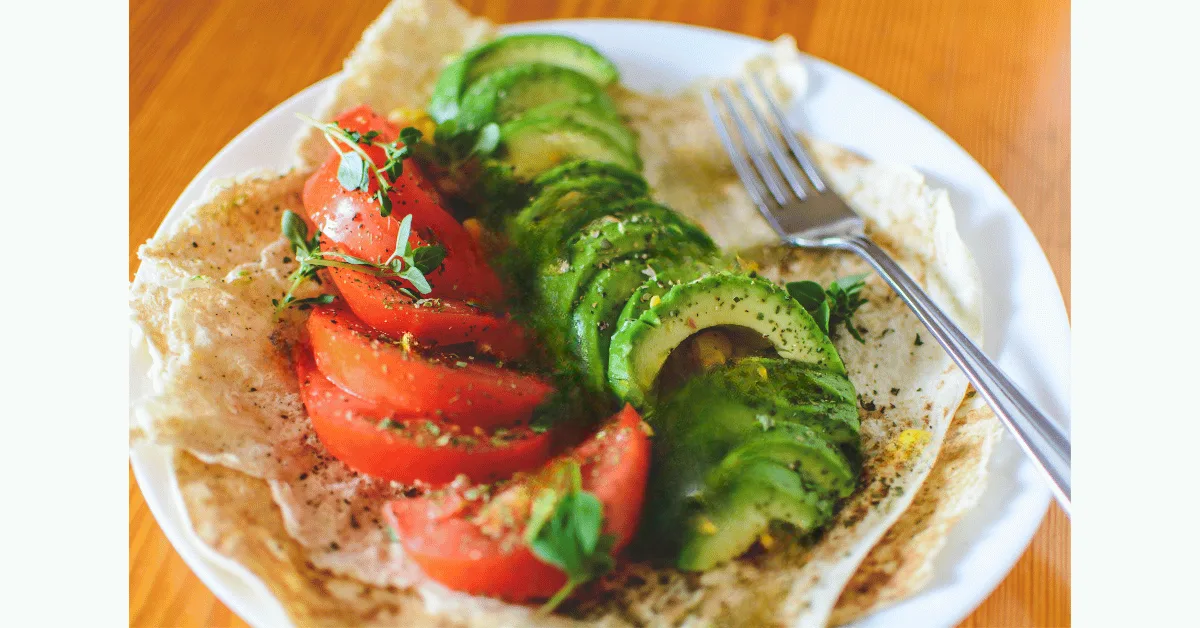
It is yummy and gives you the vital lycopene your body needs.
Avocado will give you that extra fat required for metabolism.
Avocadoes are also a good source of monounsaturated fat, which helps add fluidity to cell membranes. This fluidity improves insulin sensitivity and raises HDL (good) cholesterol levels.
After tasting this tomato and avocado salad recipe, please give us your comments and any other thoughts.
Let’s dive in:
Tomato and Avocado Salad
This delicious tomato and avocado salad will give you monounsaturated fats and lycopene.
Introduction Did you know that leading nutrition scientists agree that plant protein sources such as beans are the key to optimal health and disease prevention? Your bean salad (sousboontjies) recipe will provide this protein source. Beans There are a variety of beans. There are black …
Introduction This is your guide to the amazing power of food influencers on whole food plant-based. Have you noticed the worldwide rise in the popularity of the Whole Food Plant-Based (WFPB) lifestyle? What about within South Africa? The contributing factor to the growing popularity of …
Do you want to eat the most nutrient-dense food on earth?
Who wouldn’t want to?
Enter the bean factor. I’m not talking about the fairy tale of “Jack and the Bean Stalk” nor “Mr Beans” Comedy.
Beans are the healthiest and most nutrient-dense foods on earth.
Beans have long been significant in the diverse and vibrant South African cuisine. These humble legumes are a staple food and form part of the nation’s cultural fabric.
Even President Mandela’s favourite dish was umngqusho (Bean and Samp). Can you blame him for enjoying this tasty and nourishing bean dish?
In this article, we will look at the amazing health benefits of beans in South Africa.
We will investigate the importance of beans in South African cuisine. Explore their rich history and cultural significance.
As part of a balanced diet, we will also explore how to prepare and enjoy these legumes in various ways.
So, let’s delve in:
Type of Beans in South Africa
But wait…
Before looking at different types of beans in South Africa, let’s look at the meaning.
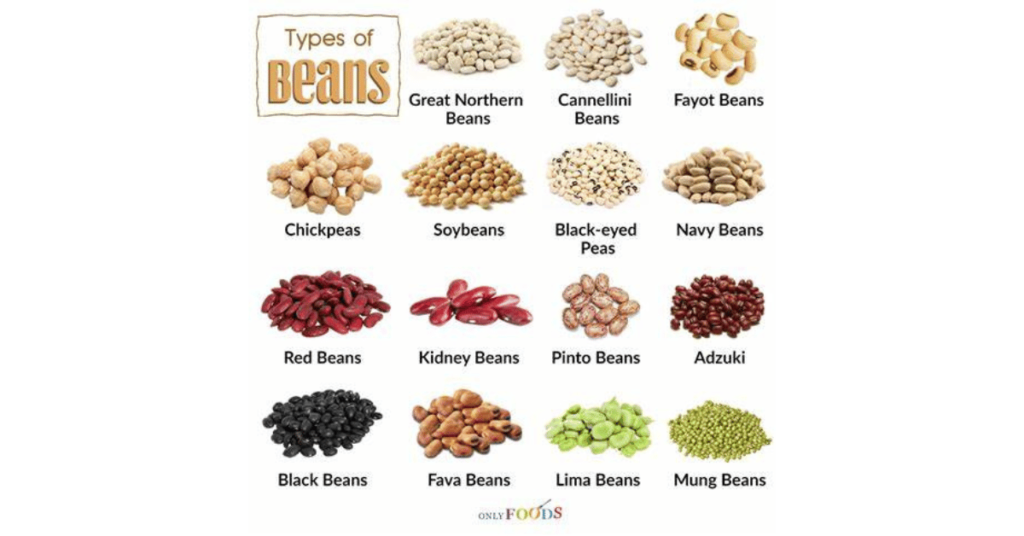
Source: AllFoods.net
What are beans?
They classify beans as a legumes.
If you had the question:
Are beans a legume?
You have coverage.
Beans are the seeds from pods of flowering plants in the Fabaceae family. Beans grow in pods with more than one bean inside.
They are fibre-rich and contain B vitamins. These bean properties help to reduce cholesterol and blood sugar levels.
Now:
Beans also serve as a source of protein, making a great meat substitute. Not to mention- they’re cheap!
Want to know the best part?
There are over 400 types of beans on the planet. But only a few are edible.
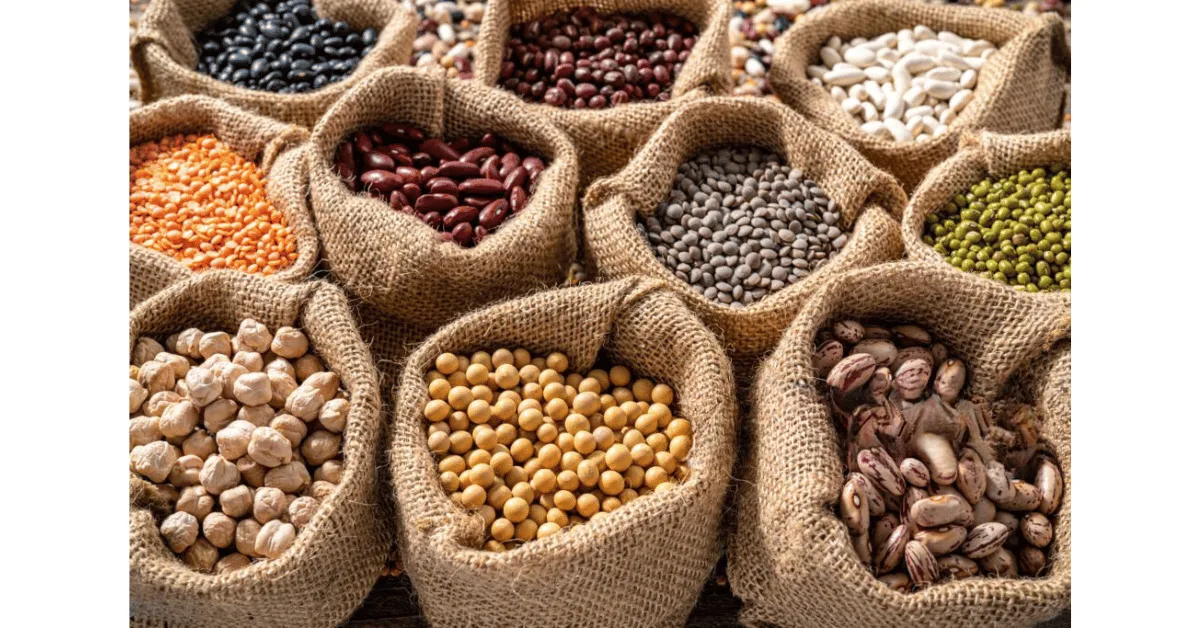
Here is a list of beans.
Black Beans
Sugar Beans
Cannellini Beans
Chickpeas (Garbanzo Beans)
Great Northern Beans
Kidney Beans
Lima Beans
Pinto Beans
Fava Beans
Navy Beans
Adzuki Beans
Edamame
Ming Beans
Soybeans
Cranberry Beans
Beans have fantastic health benefits for you because of their nutritional value.
Bean’s Nutrition Value per 100 grams
Beans are a true powerhouse when it comes to nutrient-dense foods.
Fibre, protein, vitamins, and minerals pack them. You should notice the wide range of health benefits they offer.
One of the critical nutrients found in beans is fibre. Fibre is essential in facilitating a healthy digestive system. It also helps prevent constipation.
It also helps regulate blood sugar levels. Additionally, it can contribute to weight management by promoting feelings of fullness.
Beans are one of the excellent sources of plant-based protein. Protein builds and repairs tissues. It also supports muscle growth and boosts metabolism. Unlike animal-based proteins, beans provide these benefits. They do not contain added saturated fats and cholesterol.
But wait.
Let’s not get excited about bean benefits. Analysis of beans’ nutrition value per 100gram can be appropriate:
Water 63 g
Energy 600 KJ
Protein 9.01 g
Total Fat 0.65 g
Carbohydrates 26.2 g
Fibre 9 g
Total Sugars 0.34 g
Calcium 46 mg
Iron 2.09 mg
Magnesium 50 mg
Potassium 436 mg
Sodium 238 mg
Zinc 0.98 mg
Copper 0.219 mg
Manganese 0.453 mg
Beans contain vitamins B1, B6, B9, E and K.
Are there any health benefits of beans if you eat them in South Africa?
Health Benefits of Beans
Beans serve as an excellent source of sustainable energy. They also offer notable benefits for weight management.
Their slow-release carbohydrates provide lasting fuel throughout the day.
Their high-fibre content helps in appetite control and digestive health. Incorporating beans into your diet adds nutritional value. It also has a positive impact on your well-being.
Beans and Heart Health
Beans play a significant role in heart health and disease prevention.
Beans are delicious and versatile. They also offer many benefits that contribute to a healthy heart.
One of the critical benefits of beans is their cholesterol-lowering effects. They are rich in soluble fibre.
Soluble fibre helps reduce LDL cholesterol levels, known as “bad” cholesterol.
Incorporating beans into your diet can help maintain healthy cholesterol levels. It can also facilitate lowering the risk of heart disease.
Heart Health Nutrients in Beans
Heart-healthy nutrients pack beans. Beans boast essential vitamins and minerals such as folate, magnesium, potassium, and iron.
These nutrients work together to support optimal heart function and cardiovascular health.
Reducing Risk Factors for Cardiovascular Disease
Consuming beans can also reduce other risk factors associated with heart disease.
Their high fibre content promotes feeling full and prevents overeating. This fibre content aids in weight management.
Also, the low glycaemic index of beans helps regulate blood sugar levels. It facilitates lowering the risk of type 2 diabetes – a common contributor to heart problems.
Incorporating beans into your diet is not only beneficial for your heart, but It also adds variety and flavour to your meals.
You can enjoy them in soups, salads, or as a side dish. There are countless ways to add this heart-healthy ingredient to your daily meals.
Remarkable Health Benefits of Beans on Diabetes
Here’s the kicker:
Beans are often overlooked in the realm of superfoods.
Beans are becoming a natural solution to control diabetes and regulate blood sugar. Beans have a low glycaemic index and high fibre content.
They offer a promising dietary approach for managing blood glucose levels.
People looking to prevent or manage diabetes through diet can benefit by adding beans to their meals.
Beans have a low glycaemic index. This low glycaemic index means they maintain a slow rise in blood sugar levels. This GI helps prevent sudden spikes and crashes. These can be harmful for those with diabetes.
Furthermore, the high fibre content in beans helps regulate blood sugar levels. It does so by slowing down the absorption of carbohydrates. The slow absorption of carbohydrates results in a gradual release of glucose into the bloodstream. It provides sustained energy and prevents rapid fluctuations in blood sugar.
Research shows that consuming beans as part of a balanced diet can improve insulin sensitivity. It facilitates lowering of the risk of developing type 2 diabetes.
Individuals can change their diet by replacing higher-glycemic index foods with beans. This change supports long-term health and well-being.
The Powerful Impact of Beans on Your Gut Health
Beans are a delicious and flexible addition to our meals. They also offer many digestive benefits that can contribute to gut health.
Dietary Fibre for Digestive Health
Beans’ high dietary fibre content is one of the critical factors. It promotes healthy digestion.
Dietary fibre is essential for maintaining regular bowel movements and preventing constipation. Beans are an excellent source of fibre. They can help regulate your digestive system. They add bulk to your stool and aid in its smooth passage through the intestines.
Promoting Healthy Gut Microbiota Balance with Beans
Researchers have found that beans promote a healthy balance of gut microbiota. The microbiome is bacteria in your digestive tract. They play a vital role in digestion and health.
Consuming beans can nourish these beneficial bacteria. It helps them thrive and maintain a harmonious balance within the gut.
Beans contribute to digestive health. They prevent constipation and promote a healthy balance of gut bacteria.
Incorporating them into your diet can provide these benefits. It also adds variety and flavour to your meals.
So, why not include more beans in your daily menu? It will make your digestive system happier and healthier.
Are Beans Good For Weight Loss?
On weight management, beans are an excellent addition to your diet.
The high fibre content in beans makes you feel full and satisfied after meals. Incorporating beans into your meals can help curb cravings. It also prevents overeating and helps with weight control.
The complex carbohydrates found in beans provide sustained energy release throughout the day. This sustained energy release reduces the likelihood of reaching for unhealthy snacks or experiencing energy crashes.
Beans’ satiety factor helps control appetite and manage weight effectively. So why not make these versatile legumes a staple of your diet today?
Beans Side Effects
Beans, like any other food, impact individuals differently.
Soy
Some people say soy possibly causes breast cancer. Others claim it can feminize male breast tissue.
These accusations are anecdotal. Like other beans and legumes, soy has an anticancer effect on the body. It can contribute to good health and longevity.
Antinutrient in Beans
Lectins are proteins found in many plants. Beans, specific fruits and vegetables contain them.
There is a concern about lectins. Some individuals refer to them as antinutrients or even poison. Hemagglutinin is the name for the lectins found in kidney beans. They can make people sick if consumed raw.
Phytates are another culprit in the antinutrient league.
Phytates are compounds in plant foods like beans. Phytates become the topic because they chelate or bind to essential minerals. These minerals include calcium, zinc, and iron. Phytates make these minerals less bioavailable to the body. The challenge is that they could contribute to nutrient deficiencies.
Few individuals succumb to these antinutrients.
Conclusion
We have discovered the amazing health benefits of beans in South Africa. We further investigated its nutritional value and side effects.
Did We Miss Anything?
Which action from today’s post are you going to take?
We could leave something on the health benefits of beans you wanted to know about.
Either way, let us know by leaving a comment below right now.
Eating a whole food plant-based diet in South Africa is unlike any other diet you’ve’ve experienced. If you read no more than one message about health and nutrition this year, this health topic should be it. Did you know? There are many places in the …