
Can a Plant-Based Diet Combat Obesity in South Africa?
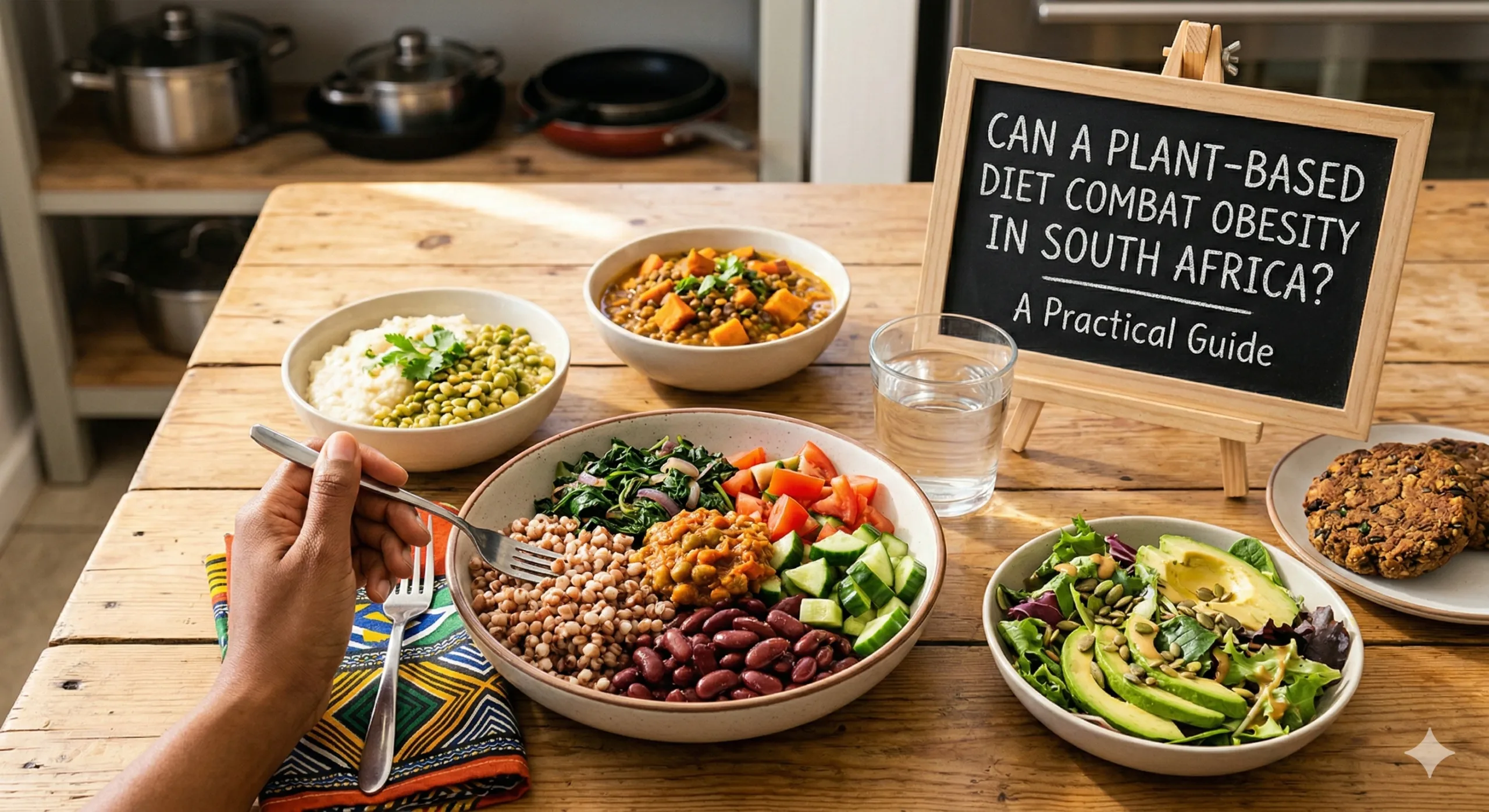
Can a plant-based diet combat obesity in South Africa?
We’ll address this question.
South Africa is in a health crisis.
Obesity rates are going up. This increase leads to more non-communicable diseases (NCDs). These include type 2 diabetes, hypertension, and heart disease.
This challenge connects to city life.
However, it affects communities all over the country. It crosses socio-economic lines.
The search for sustainable, accessible solutions is urgent. Could a shift towards plant-based eating be part of the answer for South Africa?
This guide examines how plant-based diets can help combat obesity in South Africa. It offers practical strategies and takes local needs into account.
Understanding the Obesity Crisis in South Africa
The burden of obesity in South Africa is significant and growing.
The World Health Organisation (WHO) says South Africa has very high obesity rates. It is one of the highest in Africa. This issue is especially common among women. A complex interplay of factors is linked to this rise.
- Dietary Shifts: People are changing their diets. They used to eat whole foods like vegetables, legumes, and grains. Now, they eat more processed foods, sugary drinks, refined carbs, and animal products.
- Urbanisation and Sedentary Lifestyles:
- More processed convenience foods are available.
- Physical activity has decreased because of urban planning and transport.
- Job demands have shifted as well.
- Socio-economic Factors: Food insecurity can contribute to obesity. When money is tight, people buy cheaper food. These foods are high in calories but low in nutrients. Access to fresh, healthy options can be limited in certain areas.
- Marketing and Advertising: Unhealthy food and drinks are heavily marketed. This is especially true for kids and teens.
- Cultural and Social Norms: Views on body weight and the importance of food are changing. This is especially true for high-calorie, “modern” foods.
This crisis has serious consequences. It puts a heavy strain on the healthcare system. It also affects individual well-being and productivity.
New strategies are desperately needed.
What is a Plant-Based Diet?
A plant-based diet emphasises plant-derived foods, with few or no animal products. This includes:
- Vegetables: All types, including leafy greens, root vegetables, cruciferous vegetables, etc.
- Fruits: A wide variety of fruits, consumed whole.
- Legumes: Beans, lentils, chickpeas, peas (e.g., sugar beans, kidney beans, split peas).
- Whole Grains: Brown rice, oats, sorghum (mabele), millet, whole wheat (e.g., in whole wheat mealie meal or bread).
- Nuts and Seeds: Almonds, walnuts, pumpkin seeds, sunflower seeds, chia seeds, flaxseeds.
- Plant-Based Protein Sources:
- Tofu
- Tempeh
- Seitan
- These may not be common in traditional SA cuisine, but they are becoming more available.
It’s important to distinguish between “plant-based” and “vegan.” Veganism excludes all animal products for ethical reasons. A plant-based diet can be flexible or strict. It often minimises animal products and focuses mainly on whole plant foods.
The Case for Plant-Based Eating for Weight Management
The evidence linking plant-based eating patterns to healthier weight outcomes is strong:
- Lower Calorie Density: Plant-based foods have lower calorie density. They fill you up more than processed foods and fatty animal products. This means you can eat a satisfying amount of food while consuming fewer calories.
- Higher Fibre Content: Fibre, found only in plant foods, promotes satiety (feeling full). It aids in blood sugar regulation and slows digestion. This prevents quick spikes and crashes, which can lead to overeating. High-fibre diets are consistently linked to lower body weight.
- Lower Intake of Unhealthy Fats: Plant-based diets have less saturated fat. This fat mostly comes from animal products. They also contain less trans fat than processed foods. Both types of fat can cause weight gain and increase disease risk.
- Better Insulin Sensitivity: A high-fibre plant-based diet helps your body use insulin more effectively. It works more effectively this way. Whole foods are key for this. This can lower the risk of type 2 diabetes. Research shows obesity is associated with type 2 diabetes.
- Positive Impact on Gut Microbiome: Fibre from plant foods supports a healthy gut. Studies suggest it helps with weight control and boosts overall health.
- More Micronutrients and Antioxidants: Plant foods are full of vitamins and minerals. They also have antioxidants. These help your health and boost metabolism.
People on plant-based diets often have lower Body Mass Indexes (BMIs). They also face a lower risk of obesity-related diseases.
A plant-based approach can help with weight loss. It is a sustainable way to manage weight. You don’t need restrictive, short-term diets.
Practical Guide to Plant-Based Eating in South Africa
To adopt a plant-based diet in South Africa, you must adapt the principles to fit local needs:
Embrace Traditional Staples
- Legumes are Key: Legumes, like beans and lentils, are cheap and easy to find. They are high in fibre and protein. Incorporate sugar beans (a staple), kidney beans, chickpeas, and brown lentils. Prepare them in stews (curries, soups), salads, or even as bean patties.
- Rediscover Traditional Grains: Move beyond refined mealie meal. Embrace sorghum (mabele), millet, and whole maize meal. Use them for porridges (baba), side dishes (putu, phutu, pap), or in baking. They are rich in fibre and micronutrients.
- Leafy Greens (Morogo/Imifino): South Africa has many leafy greens. They are wild and cultivated. People call them morogo or imifino. Some examples are Amaranthus species, Swiss chard, and pumpkin leaves. These foods are very nutritious and easy to find. You can often forage for them or buy them informally. You can steam, sauté, or add them to stews.
Optimise Common Ingredients
- Elevate Pap: Turn the humble pap into a nutrient-rich base. Use whole maize meal or maize meal. Serve with vegetable stews rich in beans and morogo. Experiment with adding chopped vegetables or legumes directly into the pap during cooking.
- Spice it Up: Use the wide variety of spices and herbs in South African cooking. turmeric, ginger, garlic, chillies, and hinds curries. They make plant-based meals tasty and fulfilling by adding flavour without adding excessive calories.
- Vegetable-Centric Cooking: Shift the focus. Make the vegetable the main attraction rather than “meat and two veg.” Consider large salads, roasted vegetable platters, substantial lentil soups, and vegetable curries.
Address Affordability
Seasonal and Local: Prioritise seasonal and locally grown produce. Check local markets (fresh produce markets, informal vendors) for the best prices. In general, seasonal fruits and vegetables are more tasty and less expensive.
- Buy in Bulk: Buy staple items like beans, lentils, and whole grains. Look for brown rice, oats, nuts, and seeds. Get them in bulk whenever you can. Store them properly in airtight containers.
- Grow Your Own: Even in small spaces, try container gardening. Herbs such as parsley, thyme, and basil can be grown. Leafy greens and cherry tomatoes also thrive in containers. Community gardens can also be an option.
- Limit Processed Foods: Avoid expensive vegan-branded meat or cheese alternatives initially. Focus on whole, unprocessed plant foods, which are inherently more affordable.
Modify Traditional Dishes (Gently)
- Chakalaka: Keep this delicious spicy relish, but reduce the oil slightly. Serve it alongside bean stews or pap.
- Braais (Barbecues): Yes, you can still enjoy braais! Try marinated vegetable skewers instead of meat. Use mushrooms, peppers, onions, and zucchini. You can also substitute large portobello mushrooms for burger patties. Corn on the cob is a great option, too. If you like, add spiced tofu or tempeh if available. Baked potatoes or sweet potatoes are great sides. Focus on diverse salads and sides.
- Stews: Create hearty stews using beans or lentils. Add lots of veggies, such as carrots, potatoes, sweet potatoes, greens, and cabbage. Use vegetable stock and spices for flavour. You can occasionally use “meaty” plant-based options like soya chunks or seitan.
Smart Substitution Strategies
- Milk: Try plant-based milks like soy, almond, oat, or rice milk. Look for fortified options (calcium, vitamin B12). You can also make your own simple oat or rice milk.
- Butter/Cooking Oil: Use plant oils like sunflower, canola, or olive oil for cooking. When baking, consider using applesauce or mashed banana in place of fat. It depends on the recipe.
- Eggs: In baking, use flax eggs (1 tbsp ground flaxseed + 3 tbsp water) or chia eggs. For an “eggy” taste, try scrambling crumbled tofu with black salt and turmeric (kala namak).
Planning and Preparation
- Meal Plan: Sketch out your meals for the week. This helps with shopping, reduces waste, and makes it easier to stick to your goals.
- Cook in Batches: Make a lot of staples like brown rice, beans, or lentil stews on the weekend. This provides ready-to-use bases for quick weekday meals.
- Keep Your Pantry Stocked: Always have canned or dried beans on hand. Keep lentils, whole grains, nuts, and seeds on hand. Don’t forget basic vegetables, too.
Addressing Local Challenges and Misconceptions
- “Plant-Based is Expensive“: Speciality vegan products can be costly. A diet with whole plant foods—like beans, lentils, seasonal veggies, and local grains—can cost less. It’s a simple way to save money. It often costs less than a diet full of meat and processed foods. The emphasis must be on whole, unprocessed plant foods.
- “Not Enough Protein“: You can meet protein needs on a plant-based diet. Just include beans, lentils, chickpeas, nuts, seeds, whole grains, and leafy greens. Variety is key.
- “Culturally Inappropriate”: Food is deeply cultural. The goal isn’t to dismiss traditional foods. It’s about taking back and improving the plant-based ingredients we already use. This includes grains, morogo, and legumes. We aim to adapt traditional dishes in healthier ways. It’s about a “South Africanized” approach to plant-based eating.
- Availability: In some places, access to fresh produce is low. This often happens in rural areas and low-income city neighbourhoods. These places are called “food deserts.”” Improving access is important. Supporting local markets helps too. Using preserved vegetables, like canned or frozen, can be a key strategy.
- Lack of Awareness: Education is crucial. Public health campaigns should promote plant-based eating. They must show their benefits. They also need to give simple, relevant tips for different cultures.
Overcoming Hurdles and Staying Motivated
- Start Gradually: Don’t try to change everything overnight. Begin by incorporating more plant-based meals into your weekly meals. Try Meatless Mondays. Swap one meal a day for a plant-based option.
- Find Community: Connect with people exploring plant-based eating. Join online groups. Take local cooking classes. Look for support groups. Sharing experiences, recipes, and challenges makes the journey easier.
- Focus on Additions, Not Deprivations: Add more tasty foods. Choose healthy and varied options. Don’t dwell on what you’re removing.
- Celebrate Small Wins: Recognise your progress. This could be trying a new recipe, enjoying a meal out, or feeling more energetic.
- Listen to Your Body: Pay attention to how different foods make you feel. Find a balance that works for you. Make sure to get enough important nutrients. You can do this with fortified foods or supplements. For example, consider Vitamin B12, Vitamin D, and Omega-3 fatty acids. Consult a registered dietitian for personalised guidance.
- Don’t Aim for Perfection: Slip-ups happen. Don’t let a meal that wasn’t strictly plant-based derail your entire effort. Get back on track with the next meal.
Conclusion: A Healthier Path Forward
South Africa’s obesity crisis demands innovative, accessible, and culturally relevant solutions. Eating more plant-based foods helps with weight management.
It also improves health. Science backs this approach.
Authorities can make plant-based eating easier for many communities. We can use traditional South African staples like legumes, whole grains, and morogo.
By optimising these ingredients, we can also make meals affordable. Smart strategies will help with this.
This transition isn’t about rejecting culture. Instead, it’s about reconnecting with the healthy plant-based roots of traditional diets. We need to adapt these for today’s health challenges.
To overcome barriers, we need individual effort. We also need community support. System changes will help. These changes will improve access and promote education.
Starting this journey can boost well-being. It can also make South Africa healthier and more vibrant.
Choosing plant-based foods empowers you. It builds resilience. Plus, it creates a healthier future for all.